
Wildly You: Align. Grow. Thrive.
No matter where you are in the world, spring makes its appearance—even if just briefly. Be aware. Be present. Listen to the signs.
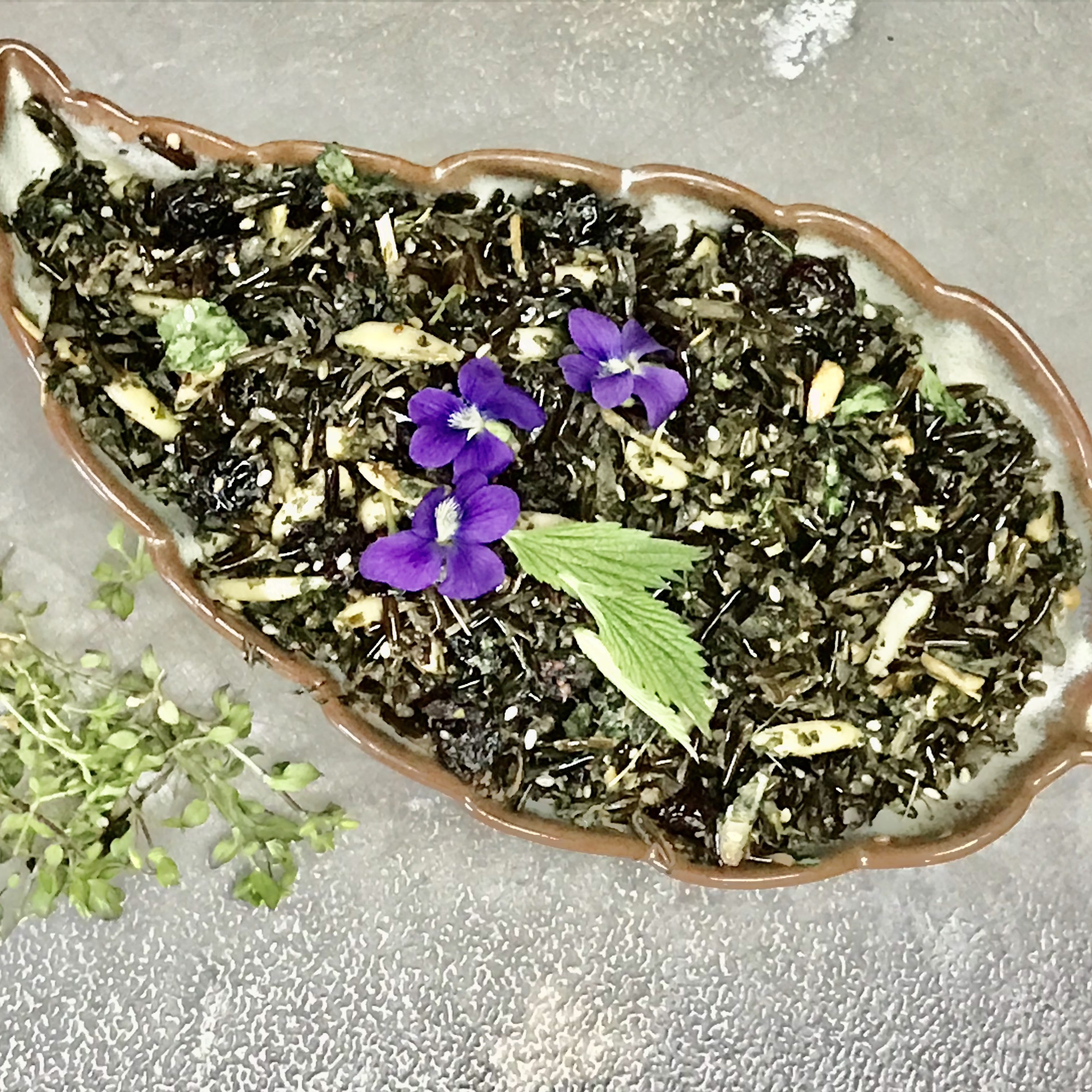
As the season shifts, so does the energy around and within us. The air becomes crisper, the days longer, and the earth begins to stir from its winter slumber. Little green and purple leaves emerge from the ground—nettles, dandelions, violets—heralding the arrival of spring. In the Midwest, chickweed spreads its green carpet, even beneath the lingering snow.
These subtle changes are nature’s invitation to adjust our lifestyles, particularly our diets, to align with the season’s energy. This is the essence of living in harmony with the life-death-life cycle—a core principle in Ayurveda.
What Is Seasonal Eating?
Seasonal eating is the practice of aligning your diet with the natural harvest cycles of your region, choosing fruits and vegetables at their peak freshness. This approach not only enhances flavor and nutritional value but also supports local agriculture and reduces environmental impact. By consuming produce that’s in season, you benefit from foods that are more nutrient-dense and flavorful, as they are harvested at their prime and require fewer resources to grow and transport. Embracing seasonal eating fosters a deeper connection to the rhythms of nature, promoting both personal well-being and ecological sustainability.
The Significance of Switching to a Spring Diet
As we leave winter behind, so too must we leave the winter diet. Switching to a spring diet and eating with the seasons is an important part of the Ayurvedic lifestyle. Ayurveda, the ancient Indian system of medicine, emphasizes aligning our habits with nature’s rhythms to maintain balance and health. In spring, this means favoring lighter, warmer, and drier foods to counteract the season’s damp and heavy qualities, thereby balancing energies and providing the body and mind with what they need to thrive in health and harmony.
During this season, cleansing the mind and body is essential to rid ourselves of accumulated winter toxins. The mind, stuck in winter’s cold, dark realm often bored or weighed down by depression can begin to clear and transform toward movement and joy. The mucus buildup, like the sap in trees, begins to flow, often triggering seasonal allergies. The heaviness of winter aches to be shed as we venture outdoors.
Breathing in the fresh, crisp spring air fills our lungs with life, energy, and renewal. It is a new awakening.
Over the winter, toxins build up in the body. Adjusting to a spring diet allows for natural detoxification, as seasonal foods are lighter and cleansing in nature. People who suffer from springtime allergies often benefit from this approach: the detoxifying quality of spring foods reduces symptoms and improves the efficiency of bodily systems.
Spring Forward Into Spring Eating
As we shift from winter to spring, we let go of heavy, sweet, and oily foods that grounded us through the cold months. Instead, we embrace foods with pungent, bitter, and astringent qualities that help clear the body of mucus and toxins.
Leafy baby greens are ideal for starting the detoxification process. Astringent foods help dry up winter’s mucus buildup, while pungent ingredients like ginger, garlic, and cayenne stimulate circulation, clear sinuses, and support immune health.
Spring Eating Tips
Each individual has a unique energy pattern, much like a fingerprint. The more you can personalize your nutritional needs to match your constitution, the better. Working with an Ayurvedic Health Counselor is a great way to receive tailored guidance. In the meantime, here are some foundational tips to begin shifting into spring eating:
- Eat Seasonal, Local Foods: Think of the greens popping up now: spinach, dandelion leaf, violet, arugula. For best results, aim to make leafy greens 50% of your fruit and vegetable intake. Other great options include early-season veggies and fruits like radishes, rhubarb, asparagus, and strawberries. Eating homegrown or locally grown produce helps align your body with the natural rhythms of your region.
- Switch Grains: Move away from rice and wheat. Instead, incorporate grains like barley, corn, rye, and millet.
- Reduce Meat Consumption: If you eat meat, focus on white meats and limit intake to just a few times a week. Increase your intake of beans and legumes for plant-based protein.
- Avoid or Limit: Sweet fruits, nuts, dairy, and heavy oils during this time of year, as they can contribute to congestion and sluggishness.
Embrace the Season with WildAlex Wellness
Spring is a time of renewal, a chance to shed the old and embrace the new. By aligning your diet with the season, you honor the natural rhythms of your body and the earth. This alignment fosters balance, vitality, and a deeper connection to the world around you.
For a seasonal eating plan tailored to your unique constitution and wellness goals, book a session with WildAlex Wellness. We’re here to support you every step of the way on your journey to vibrant health.
Note: This article is for informational purposes only and does not constitute medical advice. Consult with a qualified healthcare provider before making dietary changes.
References:
- Khalsa, Karta Purkh & Tierra, Michael. “The Way of Ayurvedic Herbs”. Lotus Press. Twin Lakes, Wisconsin. 2008 p 273-276
- Lad, Usha & Lad, Vasant, Dr. “Ayurvedic Cooking for Self-Healing” Second Edition. The Ayurvedic Press. Albuquerque, New Mexico. 2009. Page 26-27, 51-60
- Wood, Rebecca.” The New Whole Foods Encyclopedia: A Comprehensive Resource for Healthy Eating” Penguin Express. The Penguin Group. New York 1999. P xxii-xxiii
Wild Alex Herbs & Wellness, LLC
WildAlex Wellness LLC is dedicated to empowering individuals to reconnect with themselves through holistic wellness, mindful living, and transformative experiences. Rooted in Ayurvedic wisdom and modern self-care practices, we guide our community toward balance, clarity, and sustainable well-being.
Contact
3582 Creamery Rd.
De Pere, WI 54115
wildalexherbs@gmail.com
(414) 379-6163
Menu
Designed with WordPress
 Wild Alex Herbs & Wellness, LLC
Leave a comment